When pushing frame rates to the absolute limit, serious gamers know that raw GPU horsepower is only half the battle. The AMD Ryzen 7 9800X3D processor represents AMD's pinnacle of consumer hardware engineering, designed explicitly to shatter gaming bottlenecks. Built upon refined Zen 5 architecture and packed with second-generation stacking technology, this high-performance chip is engineered to lead high-refresh-rate rigs for years to come.

Whether you are upgrading an older AM4 rig or designing a bleeding-edge system from scratch, finding the right component balance is critical. In this in-depth review, we evaluate real-world buyer feedback, thermal traits, and architectural enhancements to help you determine if this flagship component deserves the center spot on your motherboard.
Why the AMD Ryzen 7 9800X3D Processor Dominates PC Gaming
The AMD Ryzen 7 9800X3D processor takes the proven foundation of its predecessor and refines nearly every operational metric. Central to its dominance is the upgraded thermal layout underneath the heat spreader. By positioning the cache beneath the compute die rather than on top of it, AMD has substantially mitigated heat traps, unlocking base clock speeds of 4.7 GHz and boost frequencies reaching up to 5.2 GHz.
As an 8-core 16-thread desktop CPU, it strikes the sweet spot for modern desktop demands. While workstation monsters pack dozens of slower cores, competitive titles and modern AAA game engines thrive on rapid single-core execution coupled with optimal latency. The 9800X3D delivers exactly that, giving players seamless frame delivery even in notoriously CPU-heavy scenarios like Cities: Skylines 2 or complex physics simulators.
Architectural Muscle: 9800X3D 96MB 3D V-Cache Explained
The secret weapon behind this CPU's unprecedented smoothness is the integrated 9800X3D 96MB 3D V-Cache. In traditional processors, when game data spills beyond on-chip storage, the system is forced to fetch information from system RAM, introducing micro-stutters and sudden frame drops.

By keeping nearly 100 megabytes of frequently accessed game files directly on the processor die, data latency drops drastically. User feedback consistently highlights dramatic improvements in 1% and 0.1% minimum frame rates. For competitive esports enthusiasts pushing 240Hz or 360Hz displays in titles like Fortnite and tactical shooters, this cache buffer translates directly to instantaneous input responsiveness and stutter-free visuals.
Is the 9800X3D Good for Gaming and Content Creation?
Many PC builders asking is the 9800X3D good for gaming already know the answer is a resounding yes, but they often wonder about daily productivity. Running streaming applications like OBS, chat feeds, complex audio routing, and web browsers simultaneously while gaming will push lesser silicon to its knees.
Because this CPU features 16 active execution threads along with an approximate 16% Instructions Per Cycle (IPC) improvement over previous iterations, video rendering, compression, and live-streaming workflows operate without stuttering. While professional 3D animators might still lean toward high-thread count workstation chips, this component effortlessly handles everyday hybrid gaming-productivity duties without breaking a sweat.
Thermal Management and the Ryzen 7 9800X3D AM5 Socket Platform
Building around the Ryzen 7 9800X3D AM5 socket ensures peace of mind through proven platform longevity. With full native support for blazing-fast PCIe 5.0 SSD storage and modern DDR5 memory kits, the AM5 ecosystem saves you from the rapid obsolescence cycles common with competing socket layouts.
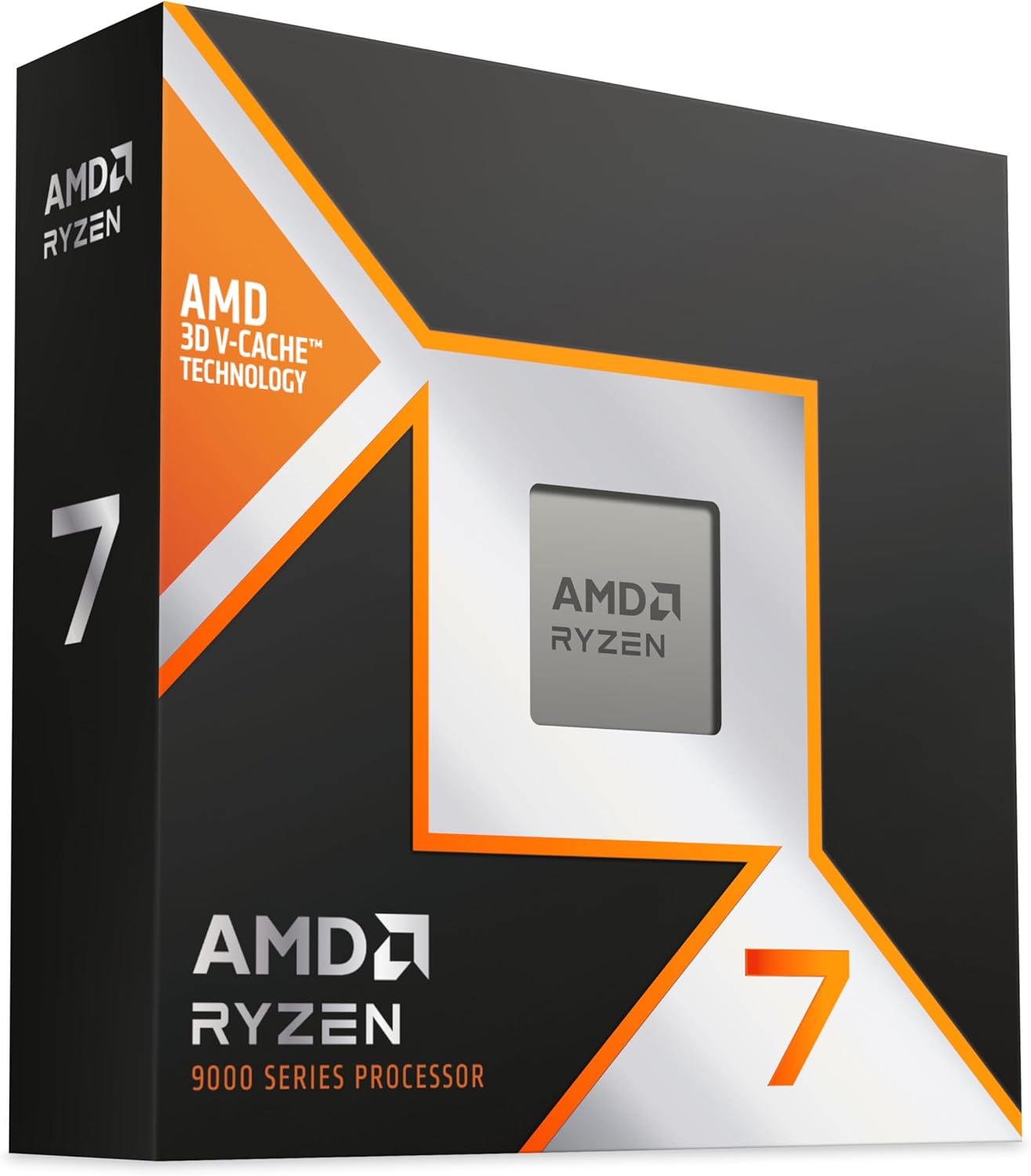
Thermally, real-world builders note a massive leap forward. Previous iterations were notorious for sudden fan-speed spikes during casual workloads like opening a browser tab. Thanks to improved silicon architecture, this chip maintains stable idle temperatures. Furthermore, buyers actively praise the processor's undervolting capabilities via Precision Boost Overdrive (PBO). With simple curve adjustments, users report peak stress temperatures dropping into the low 60°C range while gaming power draw hovers around an incredibly efficient 95W to 100W.
Final Verdict: The Best Gaming CPU 2025 Has to Offer
For PC enthusiasts unwilling to compromise on frametimes, consistency, and platform future-proofing, the evidence is undeniable: this is comfortably the best gaming CPU 2025 brings to desktop builders. While you will need to supply your own high-grade aftermarket liquid or dual-tower air cooler, the return on investment is immediate.
From ultra-smooth competitive 1080p high-refresh gameplay to pristine 4K fidelity paired with elite modern GPUs, the AMD Ryzen 7 9800X3D processor sets the definitive performance benchmark for the current generation.